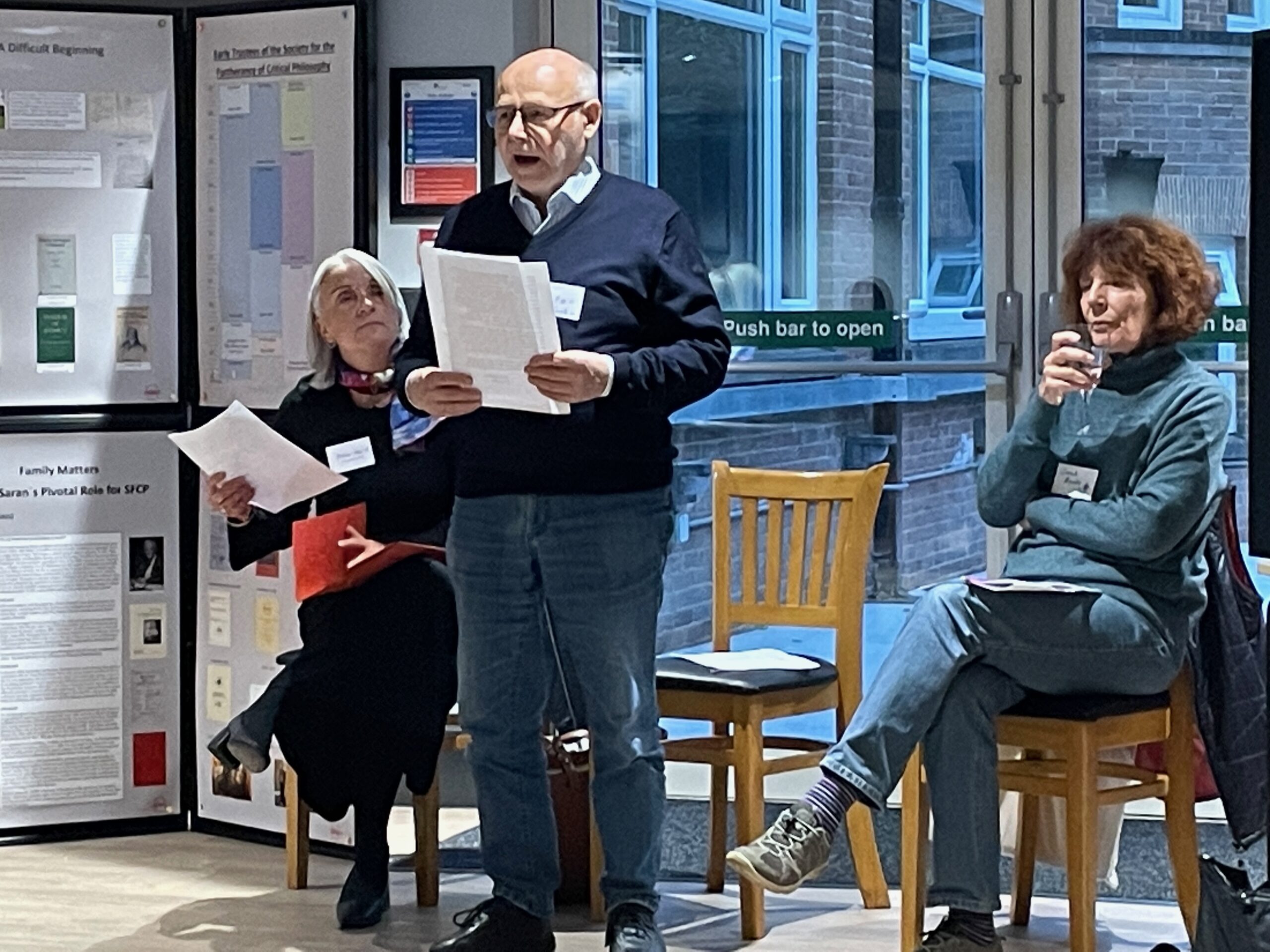
The UK facilitators promote and support what is often called the Nelson–Heckmann or ‘neo-Socratic’ Dialogue, developed in the tradition of the German philosophers Leonard Nelson (1882–1927) and Gustav Heckmann (1898–1996). Its development is closely connected with the wider tradition from which it emerged, including the Walkemühle School, the Philosophisch-Politische Akademie (PPA), and the Society for the Furtherance of Critical Philosophy (SFCP). More information can be found on our History of SDUK page.
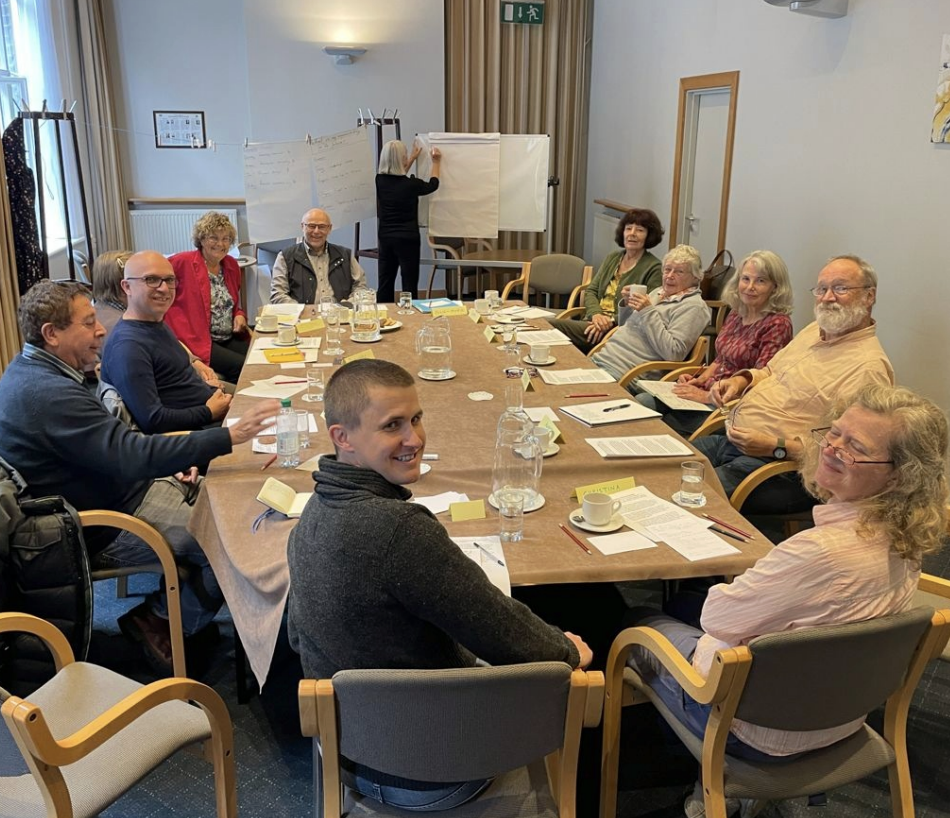
Socratic Dialogue is a method by which a group works together with a facilitator to explore a philosophical question. It is a form of co-operative philosophical enquiry and a collaborative attempt to explore a fundamental question.
No prior philosophical training is required to take part.
What to Expect
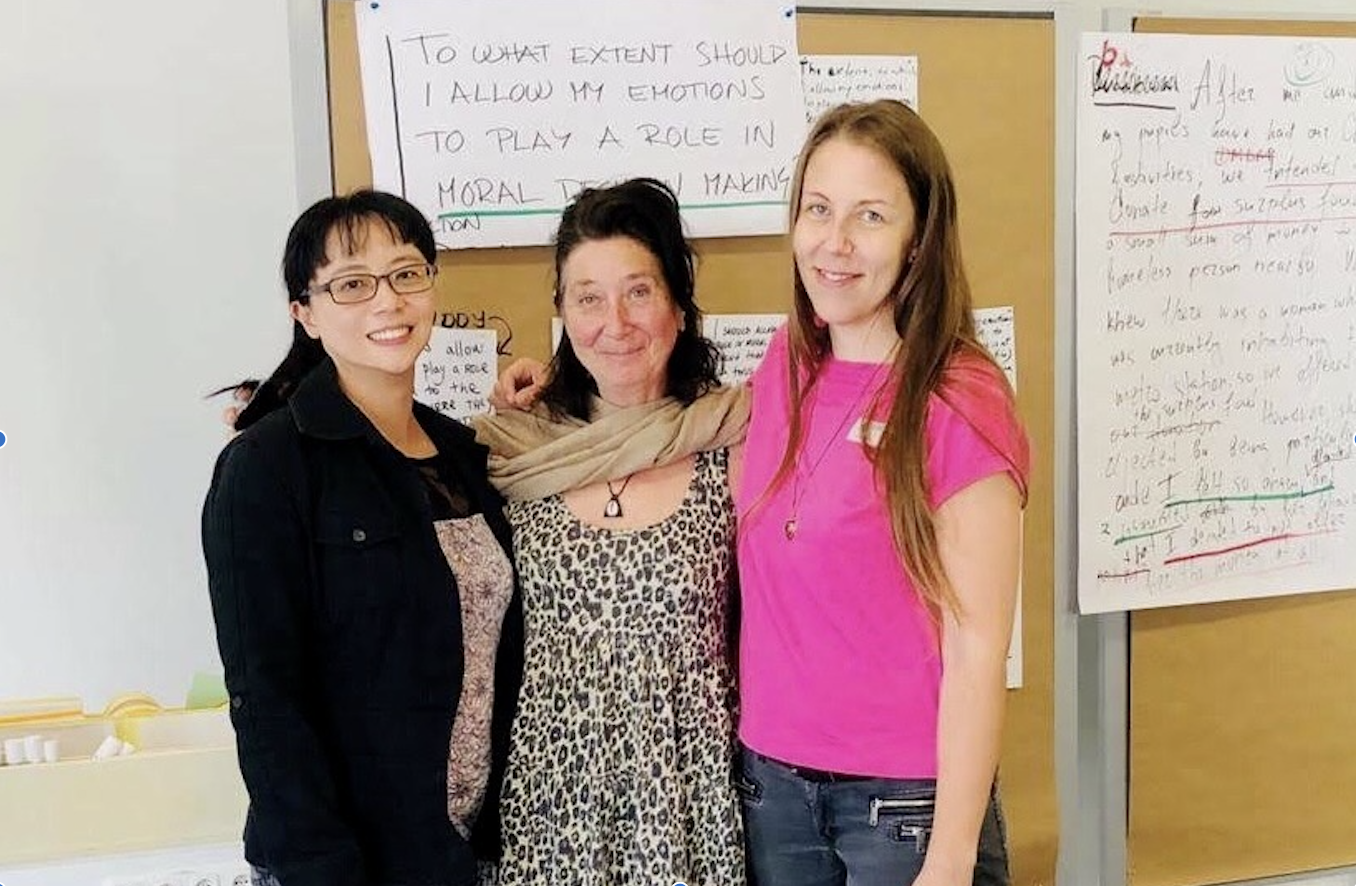
A dialogue typically begins with a question such as What is trust?, What does it mean to be courageous?, or What are the limits of my responsibility for others?
Rather than discussing the question in the abstract, participants begin by sharing examples from their own experience. One example is then selected for closer examination. Through careful questioning, analysis, and reflection, the group explores the concepts, assumptions, and principles contained within that example before moving towards more general considerations.
The process encourages reflection and independent, critical thinking. Participants usually find the exploration of ideas and lines of reasoning together in a group both challenging and rewarding, encouraging skills in listening, patience, and collaborative working.
The Role of Experience
Critical to Socratic Dialogue practice is the use of concrete experience. It can be difficult to answer an abstract question directly, which is why participants begin with examples drawn from their own lives before moving on to consider more general principles.
When choosing an example, the following guidelines may be helpful:
Lived – an experience lived by you.
Simple – the simpler the example, the better.
Interesting – an example that is challenging and fruitful to explore.
Relevant – clearly connected to the question under discussion.
Closed – an experience whose outcome is known and can therefore be reflected upon without the uncertainty of an ongoing situation.
The Role of Facilitator
The facilitator guides the process of enquiry but does not determine its outcome. Their role is to support the group’s investigation of the question, help maintain the structure of the dialogue, and encourage careful and collaborative inquiry.
Example of Questions
Am I entitled to give my own interests priority over those of the community?
Are there unselfish acts?
In what circumstances did I say no, and why?
What are the limits of my responsibility for others?
What is a justified action?
What is trust?
What does it mean to be courageous?
What are the limits of tolerance?
Do I always have to be honest?
How do I verify that a statement is correct?
What is freedom?
Further Information
The best way to understand Socratic Dialogue is to experience it. Information about upcoming dialogues, workshops, and other events can be found on our Current Events page.
Datenschutzeinstellungen
Wir verwenden notwendige Cookies. Optionale Dienste für Statistik, Marketing und externe Medien werden erst nach deiner Zustimmung aktiviert.