
Brief history
History of SDUK
The story of Socratic Dialogue UK (SDUK) extends across more than a century and beyond national borders.
Overview
Socratic Dialogue UK (SDUK) was formerly the Society for the Furtherance of Critical Philosophy (SFCP), an independent UK charity founded in 1940. In 2025, SFCP merged with its sister organisation in Germany, the Philosophisch-Politische Akademie (PPA), bringing together two organisations with a shared intellectual heritage.
The origins of both organisations lie in the tradition of Critical Philosophy associated with Leonard Nelson and in the educational, philosophical, and civic work developed by Minna Specht, Gustav Heckmann, Grete Hermann, Mary Saran, René Saran, and others connected with the Walkemühle School and the wider Nelson tradition.
Origins in Germany
The roots of this tradition can be traced to the German philosopher Leonard Nelson (1882–1927), whose work sought to unite philosophical inquiry with ethical responsibility and practical engagement in public life.
In 1922, Nelson and his colleagues founded the Philosophisch-Politische Akademie (PPA). The Academy became closely associated with the Walkemühle School, an educational community led by Minna Specht and grounded in independent judgement, critical inquiry, and shared responsibility. The PPA subsequently became the sponsoring organisation of the school and an important institutional centre for the development of Nelson’s ideas.
Alongside the PPA, a wider network of educational, philosophical, and political organisations emerged around Nelson’s work. These organisations differed in purpose but shared a commitment to critical reflection, social responsibility, and education.
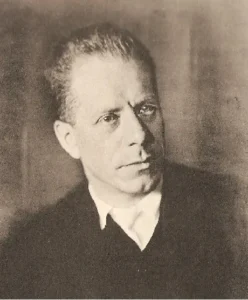
Leonard Nelson (1882–1927): German philosopher and founder of the tradition of Critical Philosophy from which the Nelson–Heckmann form of Socratic Dialogue emerged. His work provided the philosophical foundations for the educational and intellectual traditions later associated with the Walkemühle School, SFCP, and PPA.
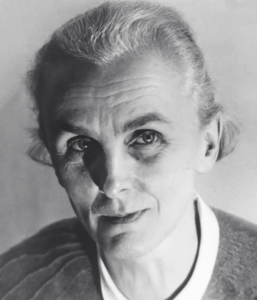
Minna Specht (1879–1961): Educator and close collaborator of Leonard Nelson. She led the Walkemühle School and later oversaw the continuation of its educational work in exile following its closure in Germany in 1933.
Exile and Continuity
The rise of the Nazi regime in 1933 brought an abrupt end to this work in Germany. The Walkemühle School was closed, the PPA was dissolved, and many members of the movement were forced into exile.
Minna Specht, Gustav Heckmann, Grete Hermann, Benedicte Gregersen, and their colleagues continued their educational work outside Germany. The school community was re-established first in Denmark and later in Britain, preserving both its educational mission and the intellectual tradition from which it emerged.
In 1940, the school community relocated to Butcombe Court near Bristol, where its work continued despite the difficulties of wartime Britain. Through these efforts, the educational and philosophical traditions associated with Walkemühle survived a period in which they might otherwise have been lost.
The Formation of SFCP
To support the continuation of this work in Britain, Minna Specht, Grete Hermann, Benedicte Gregersen, and their colleagues established a foundation that became the Society for the Furtherance of Critical Philosophy (SFCP) in 1940.
Initially created to support the school community and its educational activities, the Society gradually expanded its focus. Over time, SFCP became increasingly concerned with the development of Critical Philosophy, the practice of Socratic Dialogue, and the promotion of reflective public discussion.
The history of SFCP therefore forms part of a broader intellectual tradition whose roots extend through the Walkemühle School and the PPA to the work of Leonard Nelson.
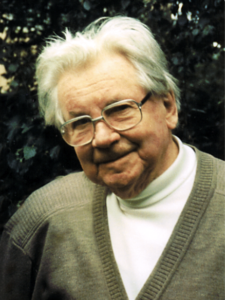
Gustav Heckmann (1898–1996)
Philosopher and educator who further developed Socratic Dialogue following Leonard Nelson’s death. His work helped establish the form of dialogue now commonly known as the Nelson–Heckmann tradition.
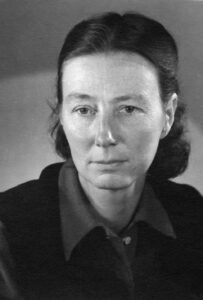
Grete Hermann (1901–1984)
Philosopher, mathematician, educator, and anti-Nazi activist. A leading representative of the Nelson tradition, she contributed significantly to the development of Critical Philosophy and later served as Chsir of the Philosophisch-Politische Akademie (PPA), helping to sustain and develop the tradition after the Second World War.

Benedicte Gregersen (1901–1984)
Educator and member of the Walkemühle community who helped continue its educational work during the years of exile. She was among those involved in establishing and sustaining the institutional foundations that later became the Society for the Furtherance of Critical Philosophy.
Family Matters: René Saran and the Renewal of SFCP
A particularly important figure in the Society’s later history was René Saran (1921–2024).
René Saran was closely associated with SFCP for many decades and contributed significantly to its governance, development, and international connections. Her involvement formed part of a longer continuity within the Nelson tradition. Her parents, Mary Saran and Max Hodann, were themselves connected with networks associated with Leonard Nelson’s educational, philosophical, and political work, and these connections extended across the years of exile and reconstruction.
During the 1990s and early 2000s, René Saran played an important role in renewing the Society’s activities at a time of organisational uncertainty. She helped strengthen relationships with colleagues in Germany, supported the development of Socratic Dialogue within SFCP, and contributed to the organisation of international conferences and facilitator development. These efforts helped establish Socratic Dialogue as a central activity of the Society and strengthened links between practitioners in the United Kingdom, Germany, and elsewhere.
René Saran’s contribution illustrates the continuity of a tradition that survived through institutions, personal relationships, and successive generations of participants. Through her work, SFCP maintained and renewed connections with the wider Nelson–Heckmann tradition that had shaped its origins.
Archival material relating to René Saran, including a video recorded for her 100th birthday in 2021 (found HERE) and a conversation with Kay Herrmann recorded in 2008 (found HERE).
SDUK and PPA Today
In 2025, SFCP merged with the Philosophisch-Politische Akademie, bringing together two organisations whose histories had been closely connected since the early twentieth century.
Today, SDUK continues to support Socratic Dialogue through conferences, dialogue groups, publications, facilitator development, and related educational activities. Together with PPA, it seeks to preserve and develop a tradition of critical inquiry and reflective discussion that extends across generations and national boundaries.
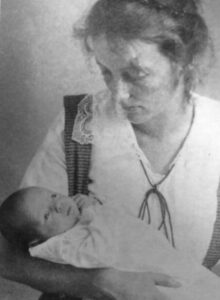
Mary Saran holding her daughter René Saran.
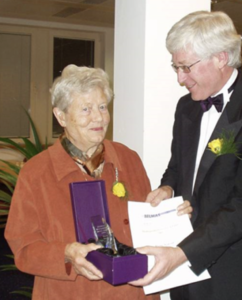
An organizational goal-management solution ensures that individual employee goals and objectives align with the vision and strategic goals of the entire organization.
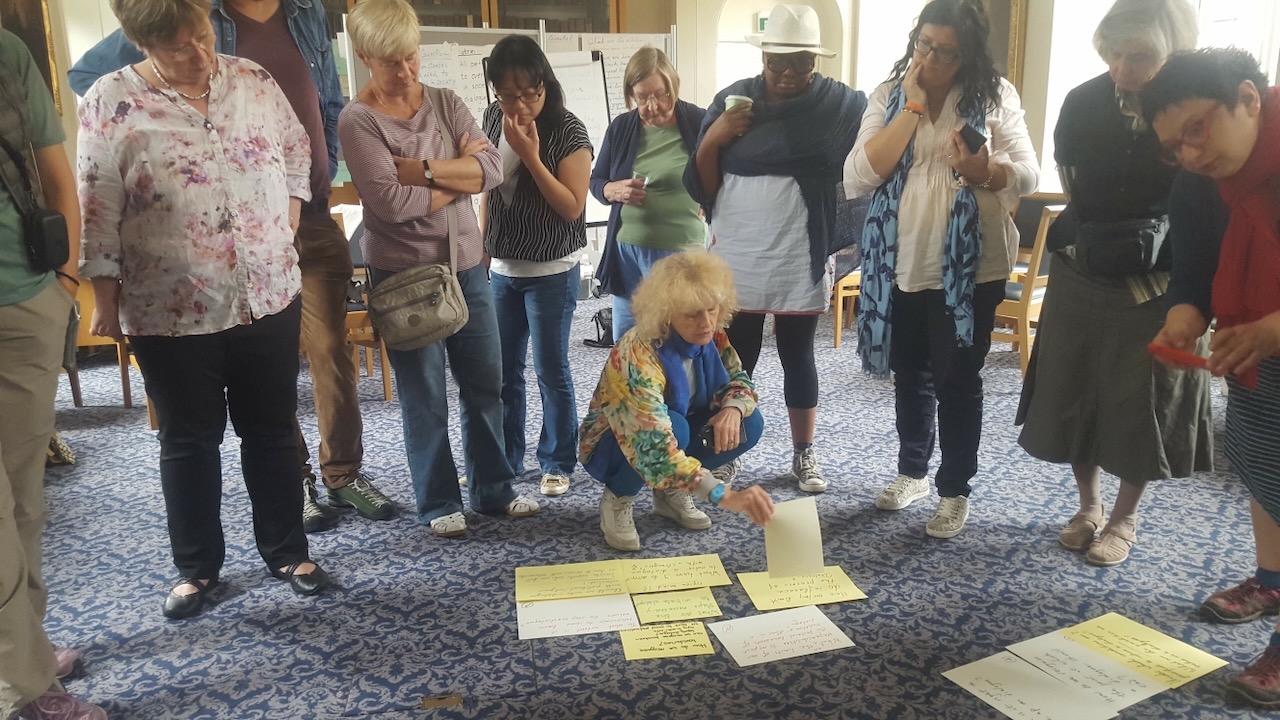
Dialogue in Cambridge (2018)
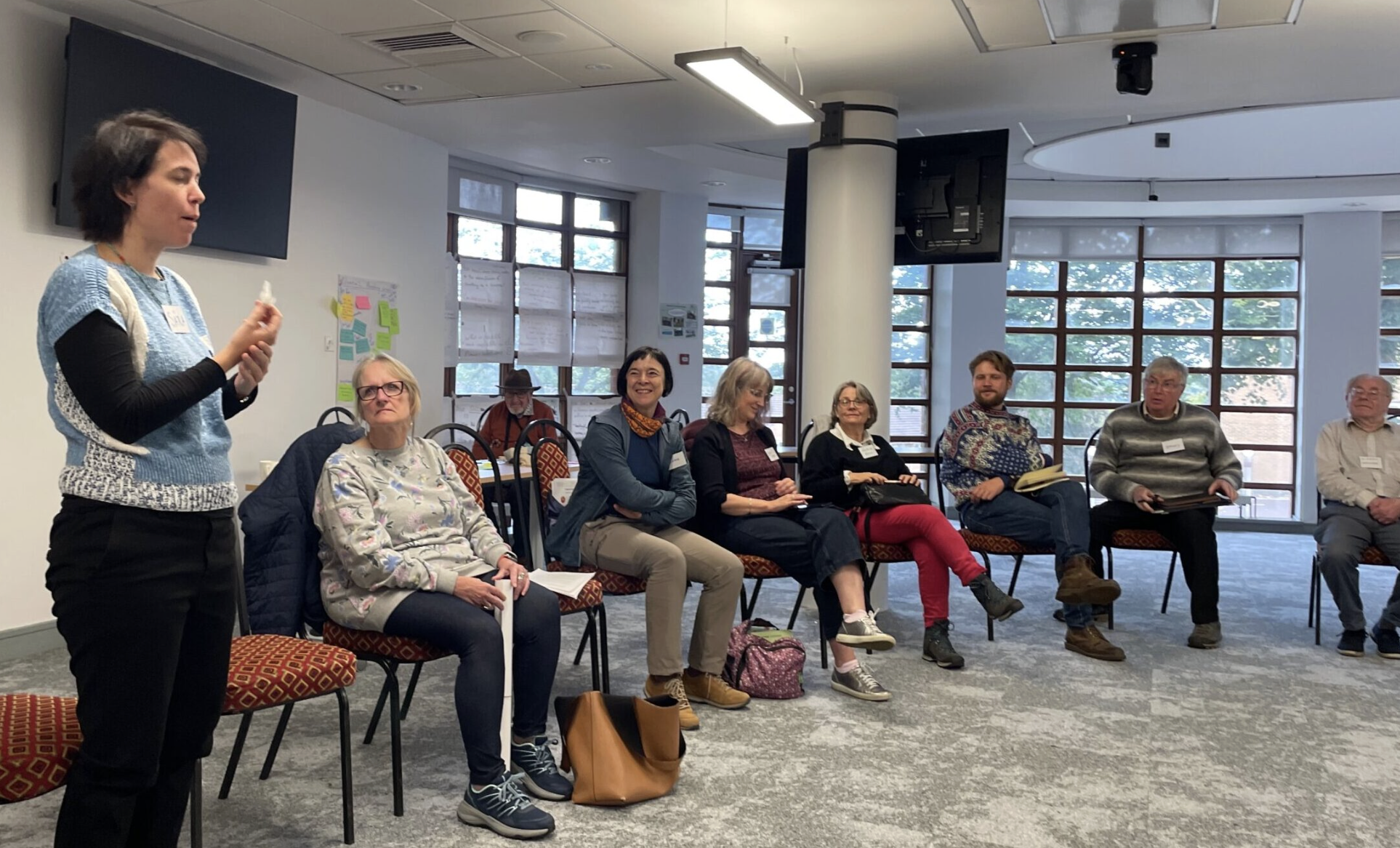
Dialogue in Durham (2022)
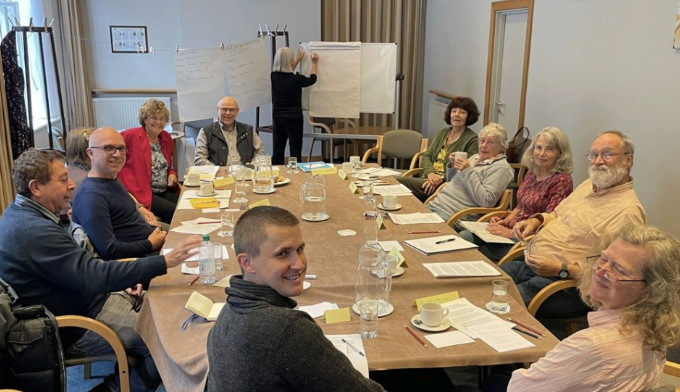
Dialogue in London (2023)
Leonard Nelson (1882–1927): German philosopher and founder of the tradition of Critical Philosophy from which the Nelson–Heckmann form of Socratic Dialogue emerged. His work provided the philosophical foundations for the educational and intellectual traditions later associated with the Walkemühle School, SFCP, and PPA.
A Brief History
Overview
Socratic Dialogue UK (SDUK) was formerly the Society for the Furtherance of Critical Philosophy (SFCP). In 2025 we merged with our sister organisation in Germany, Philosophisch-Politische Akademie (PPA).
SFCP was formed in 1940 as an independent UK charity. (A list of Trustees from 1940 until 2025 is here).
When the Nazis came to power in 1933, the children’s school at the Walkemuhle fled with their teachers, Minna Specht and Gustav Heckmann first to Denmark, then to UK. They bought a property near Bristol, Butcombe Court, to run as a school. Minna Specht, Grete Hermann and Benedicte Gregerson created a foundation to support the school, which was formed into a charity called ‘Society for the Furtherance of Critical Philosophy’, SFCP.
(Display boards written and created by Dieter Krohn)

Timeline

Rene Saran and her pivotal role in the SFCP

Video of Rene at 100, June 2021. A joint celebration organised by BELMAS (Rene was Vice-President) and Society for the Furtherance of Critical Philosophy (SFCP). On Rene’s birthday on 15th June 2021.

Mary Saran


Gustav Heckmann
Gustav Heckmann (22 April 1898 – 8 June 1996) a German philosopher and teacher, particularly associated with philosophical extrapolations from the Socratic Dialogue format, pioneered by his mentor and friend Leonard Nelson, with which Heckmann continued to work after Nelson died.

Leonard Nelson
In the 1920s the Kantian philosopher Leonard Nelson and his co-worker Minna Specht founded an experimental school in Germany, which was based on their philosophical conviction. When the Nazis came to power in 1933, the school fled to Denmark, then to Britain. The SFCP was established in 1940 to support the continuation of the school based on Nelson’s Critical Philosophy. Over the years the society has expanded its aims of supporting the Socratic method in education and now organises philosophical conferences, holds Socratic Dialogues, and publishes books.
